

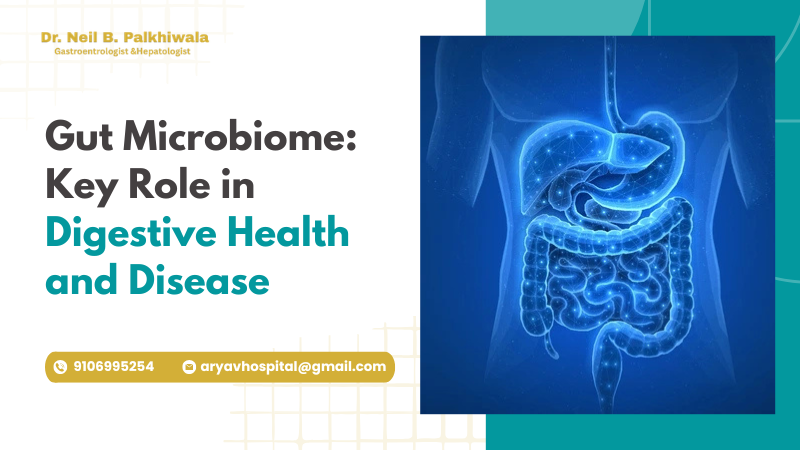
The human gut is home to trillions of microorganisms, collectively known as the gut microbiome. These tiny organisms-including bacteria, fungi, and viruses-play a crucial role in maintaining overall health, particularly digestive well-being. Understanding the gut microbiome and digestive health is becoming increasingly important as researchers uncover its impact on immunity, metabolism, and disease prevention.
For residents of Ahmedabad, consulting a specialist like Dr. Neil Palkhiwala, Best Gastroenterologist in Ahmedabad, can help assess gut health and recommend personalized strategies for maintaining a healthy microbiome.
What is the Gut Microbiome?
The gut microbiome is a complex ecosystem of microorganisms living in the gastrointestinal tract. These microbes aid in digestion, produce essential nutrients, and help the immune system function optimally. A balanced gut microbiome is vital for:
- Efficient digestion and nutrient absorption
- Protection against harmful bacteria
- Regulation of metabolism and weight
- Reduction of inflammation in the digestive tract
Disruptions in this delicate balance can lead to digestive issues, immune dysfunction, and even chronic diseases.
Role of Gut Bacteria in Health
The role of gut bacteria in health goes far beyond digestion. Beneficial bacteria, such as Lactobacillus and Bifidobacterium, perform several key functions:
- Digestive Support: They help break down complex carbohydrates, fibers, and proteins that the body cannot digest on its own.
- Immune Regulation: Gut bacteria stimulate immune cells, protecting against infections and reducing inflammation.
- Vitamin Production: Certain gut microbes synthesize essential vitamins like B12 and K.
- Mood and Mental Health: Emerging research shows a connection between gut bacteria and neurotransmitter production, influencing mood and cognitive function.
Maintaining a balanced gut microbiome is therefore essential for both physical and mental well-being.
Gut Microbiome and Disease Prevention
A healthy gut microbiome is a powerful defense mechanism. Gut microbiome and disease prevention are closely linked, as imbalances can contribute to conditions such as:
- Irritable Bowel Syndrome (IBS)
- Inflammatory Bowel Disease (IBD)
- Obesity and metabolic disorders
- Allergies and autoimmune diseases
- Cardiovascular issues
By promoting a diverse and balanced gut microbiome, individuals can lower the risk of these diseases. Regular consultations with a Best Gastroenterologist in Ahmedabad, like Dr. Neil Palkhiwala, can help identify gut imbalances early and implement preventive strategies.
How to Maintain a Healthy Gut Microbiome
Maintaining a robust gut microbiome requires a combination of dietary, lifestyle, and medical interventions. Some effective strategies include:
1. Balanced Diet
A diet rich in fiber, fruits, vegetables, whole grains, and fermented foods supports the growth of beneficial bacteria. Foods like yogurt, kefir, sauerkraut, and kimchi introduce probiotics into the gut.
2. Prebiotics
Prebiotics, found in garlic, onions, bananas, and asparagus, serve as food for beneficial bacteria, promoting their growth and diversity.
3. Limit Processed Foods
Excess sugar, artificial sweeteners, and processed foods can disrupt gut bacteria balance, leading to inflammation and digestive issues.
4. Hydration
Adequate water intake supports digestion and maintains the mucosal lining of the gut, aiding healthy microbiome function.
5. Stress Management
Chronic stress negatively affects gut bacteria. Practices like yoga, meditation, and adequate sleep are essential for gut health.
6. Medical Guidance
For personalized care, consulting the Best Gastroenterologist in Ahmedabad ensures proper testing, diagnosis, and treatment of gut-related issues. Dr. Neil Palkhiwala can recommend probiotics, dietary adjustments, or therapies based on individual gut microbiome profiles.
Signs of an Imbalanced Gut Microbiome
It’s important to recognize early signs of gut imbalance, which may include:
- Chronic bloating or gas
- Diarrhea or constipation
- Food intolerances
- Frequent infections
- Fatigue or low energy
Addressing these symptoms promptly with guidance from Dr. Neil Palkhiwala, Best Gastroenterologist in Ahmedabad, can prevent long-term complications.
The Future of Gut Microbiome Research
Scientific research on the gut microbiome is rapidly evolving. Personalized treatments based on gut microbiome analysis are becoming more accessible, offering potential solutions for chronic digestive issues and disease prevention. Maintaining gut health is no longer just about digestion-it’s a cornerstone of overall well-being.
Conclusion
The gut microbiome and digestive health are deeply interconnected, influencing everything from immunity to mental health. A balanced gut microbiome helps in disease prevention, supports nutrient absorption, and enhances overall quality of life.
For individuals in Ahmedabad, consulting a specialist like Dr. Neil Palkhiwala, Best Gastroenterologist in Ahmedabad, ensures personalized care and guidance on maintaining a healthy gut. By adopting a fiber-rich diet, managing stress, and seeking professional advice, you can support your gut health naturally and proactively.