Irritable Bowel Syndrome
Irritable Bowel Syndrome (IBS) is a common digestive disorder that affects the large intestine (colon), causing symptoms like abdominal pain, bloating, gas, and changes in bowel habits such as diarrhea, constipation, or both. It’s a functional gastrointestinal disorder, meaning it results from problems in how the gut works rather than from structural abnormalities. While IBS is not life-threatening and doesn’t cause permanent damage, it can significantly affect quality of life.
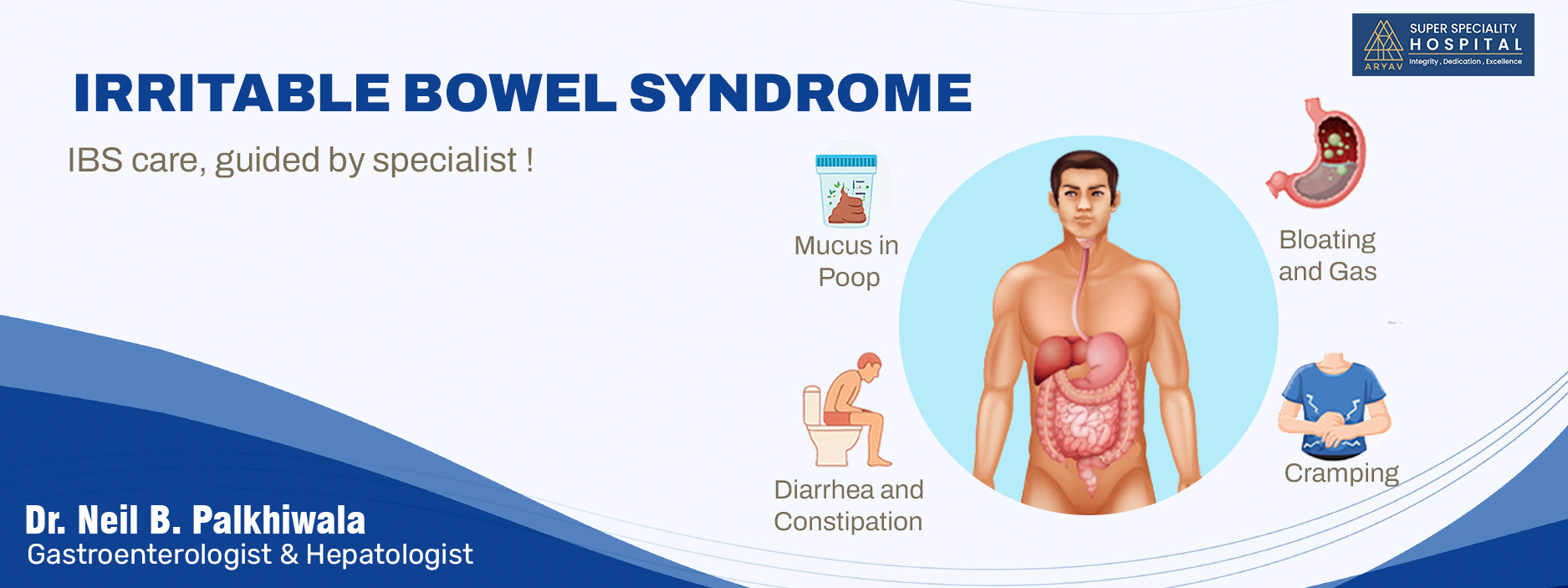
Symptoms of Irritable Bowel Syndrome (IBS) :
- Cramping or abdominal pain
- Bloating and excess gas
- Diarrhea, constipation, or alternating both
- Mucus in the stool
Causes of Irritable Bowel Syndrome (IBS) :
- Stress or anxiety
- Certain foods (like dairy, caffeine, or spicy food)
- Hormonal changes
- Gut-brain interaction or sensitivity
Treatment Options for IBS:
IBS is manageable, though not curable. Treatment is personalized based on the subtype (IBS-D, IBS-C, or IBS-M).
1. Diet & Lifestyle
- Low FODMAP Diet
- Fiber supplements
- Hydration and exercise
- Avoiding trigger foods
2. Medications
- Antispasmodics: Reduce cramping
- Laxatives & Antidiarrheals
- Probiotics & Antidepressants
3. Psychological
- Cognitive Behavioral Therapy (CBT)
- Mindfulness and stress management
- Gut-directed hypnotherapy
Dr. Neil Palkhiwala - Irritable Bowel Syndrome Specialist
IBS is a functional digestive disorder that requires individualized treatment based on symptom patterns. Proper diagnosis helps exclude serious conditions and guide effective management. Patients with chronic bowel symptoms often consult the best Gastroenterologist in Ahmedabad for structured IBS care.
Frequently Asked Questions
Irritable Bowel Syndrome (IBS) is a common functional gastrointestinal disorder characterized by chronic abdominal pain, cramping, bloating, gas, and altered bowel habits (diarrhea, constipation, or alternating patterns) without structural damage to the digestive tract.
IBS is classified into three main clinical subtypes: IBS C (predominantly constipation), IBS D (predominantly diarrhea), and IBS M (mixed or alternating constipation and diarrhea). Identifying your specific subtype helps customize your treatment plan.
The exact cause involves complex brain gut axis interactions, heightened visceral gut sensitivity, abnormal intestinal motility, gut microbiota imbalances (dysbiosis), prior gastrointestinal infections (post infectious IBS), stress, and specific dietary triggers.
IBS is diagnosed using clinical diagnostic criteria (Rome IV criteria) after ruling out organic diseases like inflammatory bowel disease, celiac disease, or colon polyps through blood tests, stool tests, and diagnostic colonoscopy when clinically indicated.
A low FODMAP diet (reducing fermentable oligosaccharides, disaccharides, monosaccharides, and polyols) supervised by a clinical dietitian significantly reduces gas and bloating. Gradually increasing soluble fiber, drinking adequate water, and avoiding trigger foods are also key.
Medications include antispasmodics for pain relief, intestinal prokinetics or laxatives for constipation, peripherally acting antidiarrheals for diarrhea, gut targeted antibiotics (like rifaximin), low dose neuromodulators, and high potency probiotics.
Yes, emotional stress, anxiety, and sleep disturbances directly influence gut motility and pain perception through the central nervous system and brain gut axis. Stress management, mindfulness, and gut directed hypnotherapy are effective therapeutic components.
You should consult Dr. Neil Palkhiwala if you experience persistent bowel changes, severe abdominal pain affecting daily activities, or alarm symptoms like unexpected weight loss, rectal bleeding, or nighttime diarrhea to receive accurate diagnosis and tailored relief.