What is Jaundice ?
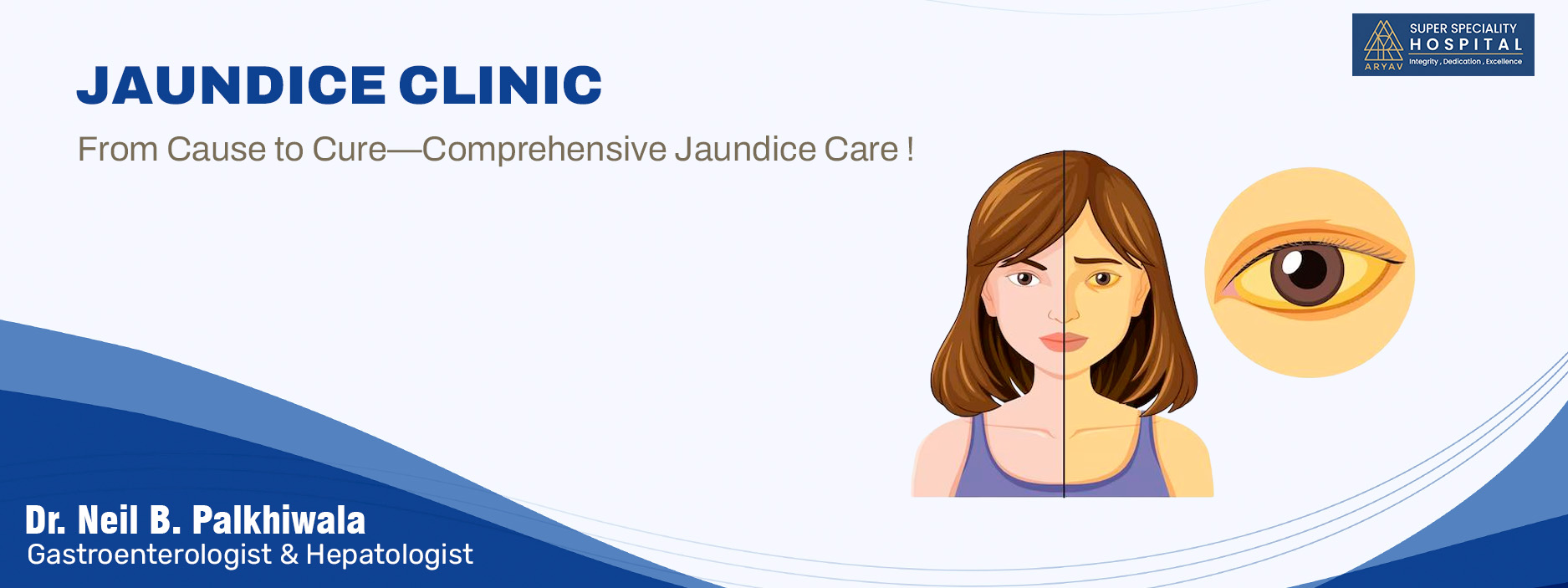
Jaundice is a medical condition characterized by a yellowish tint to the skin, eyes, and mucous membranes. It occurs when there is a buildup of bilirubin, a yellow pigment produced during the breakdown of red blood cells, in the blood. Normally, the liver processes and removes bilirubin, but if the liver is damaged or bile flow is blocked, bilirubin accumulates, leading to jaundice.
Symptoms of Jaundice :
- Yellowing of the skin, eyes, and mucous membranes
- Dark-colored urine & Pale or clay-colored stools
- Itching (pruritus)
- Fatigue, weakness, nausea and vomiting
- Abdominal pain or swelling
- Fever (if infection is present)
Causes of Jaundice :
Jaundice occurs when bilirubin builds up in the body due to problems with its production, processing, or elimination.
- Liver diseases: Hepatitis, cirrhosis, alcoholic liver disease
- Bile duct obstruction: Gallstones, tumors, strictures blocking bile flow
- Infections & Toxins: Viral hepatitis or medications that damage liver.
- Hemolysis: Excessive breakdown of red blood cells
- Genetic disorders: Such as Gilbert’s syndrome
Diagnosis of Jaundice at the Clinic
At a Jaundice Clinic, doctors use advanced tests and evaluations to find the exact cause of jaundice and assess liver function.
- Blood tests (LFTs, viral markers, CBC) to check liver function and infections.
- Imaging tests like ultrasound, CT/MRI, or Fibroscan to detect liver damage, stones, or blockages.
- Endoscopic tests (ERCP, EUS) for bile duct or pancreatic problems.
- Liver biopsy in select cases for detailed evaluation.
Treatment Options for Jaundice
- Medications – To treat infections, reduce liver inflammation, or manage complications.
- Endoscopic Procedures (ERCP, stenting) – To remove gallstones or relieve bile duct blockages.
- Surgery – In cases of tumors, strictures, or severe obstruction.
- Hospital Care & Transplants – For acute liver failure, severe infections, or end-stage liver disease.
Dr. Neil Palkhiwala - Jaundice Treatment Specialist
Jaundice can be a sign of underlying liver, bile duct, or blood-related disorders. Identifying the cause is essential for appropriate treatment. Patients presenting with jaundice commonly consult the best Gastroenterologist in Ahmedabad for accurate diagnosis and management.