ACID Reflux ( GERD ) Treatment in Ahmedabad

Clearing the Path to Digestive Comfort

ACID Reflux ( GERD ) Treatment

Acid Reflux & GERD

Digestive health issues are becoming increasingly common due to modern lifestyle habits, irregular eating patterns, and stress. Among these, acid reflux and GERD (gastroesophageal reflux disease) are two of the most frequently reported conditions affecting people of all ages.

If you often experience burning sensation in the chest, discomfort after meals, or regurgitation, you may be dealing with acid reflux symptoms. Ignoring these signs can lead to chronic conditions like chronic acid reflux, which requires timely diagnosis and expert care.

What is Acid Reflux and GERD?

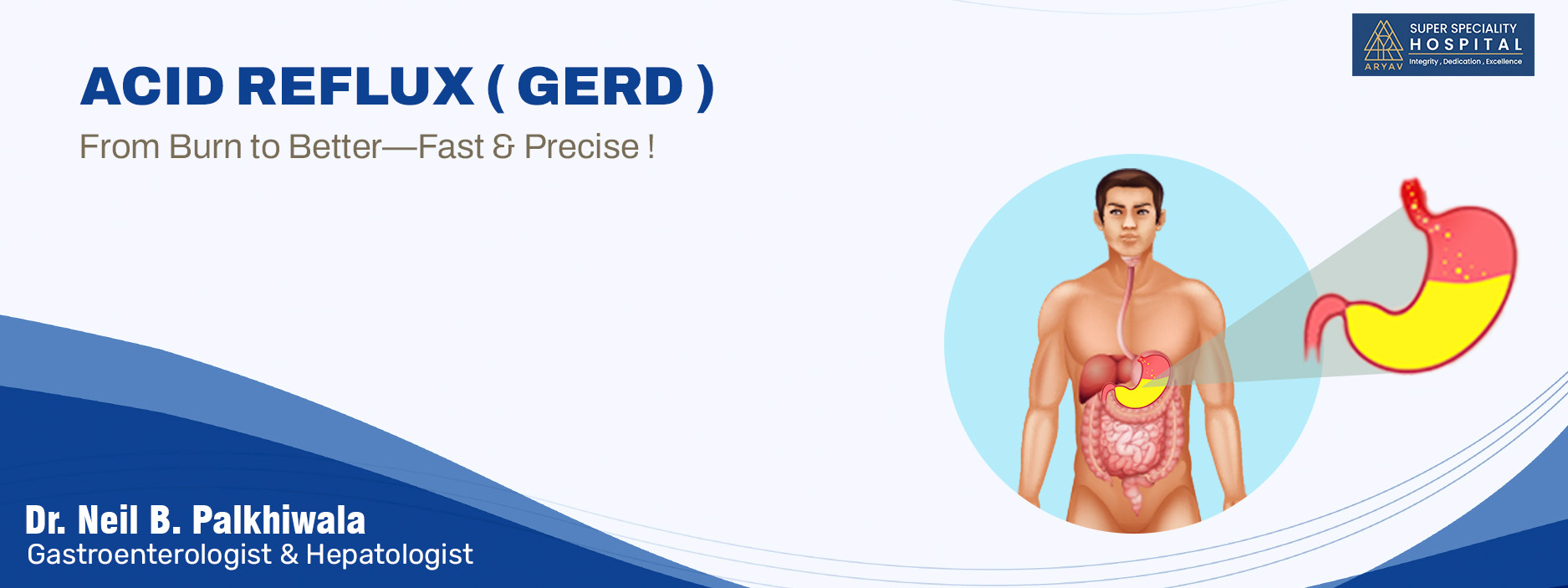
Acid reflux occurs when stomach acid flows back into the esophagus, causing irritation and discomfort. This happens when the lower esophageal sphincter (LES) does not function properly. When acid reflux becomes frequent and persistent, it is known as GERD (gastroesophageal reflux disease).

Common Acid Reflux Symptoms

  • Burning sensation in the chest (heartburn)
  • Sour or bitter taste in the mouth
  • Difficulty swallowing
  • Chest discomfort after meals
  • Regurgitation of food or liquid

What Causes Acid Reflux?

Dietary Causes
  • Spicy and oily foods
  • Citrus fruits
  • Chocolate and caffeine
  • Carbonated drinks
Lifestyle Causes
  • Overeating
  • Lying down immediately after meals
  • Obesity
  • Smoking and alcohol

Effective Acid Reflux Treatment Options

Managing acid reflux treatment involves a combination of lifestyle changes and medical care, including antacids for quick relief, Proton pump inhibitors (PPIs), H2 blockers, and advanced procedures in severe cases.

  • Eat smaller, frequent meals and limit trigger foods
  • Maintain healthy weight and stay physically active
  • Elevate head while sleeping and avoid late-night meals
  • Manage stress effectively

Importance of Expert Gastro Care

For accurate diagnosis and effective management, consulting an experienced gastroenterologist in Ahmedabad is essential. To confirm GERD, doctors may recommend Endoscopy, pH monitoring, or Esophageal manometry.

If you are experiencing persistent GERD symptoms or frequent heartburn, don’t ignore them. Consult Dr. Neil Palkhiwala, a trusted gastroenterologist in Ahmedabad for expert diagnosis and personalized treatment.

Frequently Asked Questions

Heartburn is a symptom caused by stomach acid refluxing into the esophagus. GERD is the chronic medical condition where this reflux happens regularly, more than twice a week. Persistent heartburn is a sign of GERD and requires medical evaluation.

GERD is primarily caused by a weak or relaxed lower esophageal sphincter (LES). When this valve does not close properly, stomach acid flows back up. Contributing factors include obesity, hiatal hernia, pregnancy, smoking, certain medications, and dietary habits.

Yes, GERD can manifest with extra-esophageal symptoms. Chronic cough, hoarseness, laryngitis, a feeling of a lump in the throat, and even worsening asthma can all be caused by acid reflux reaching the throat and airways, sometimes called silent reflux.

Barrett's esophagus is a serious complication of long-standing GERD where the normal esophageal lining is replaced by intestinal-type tissue. While not cancer, it is a precancerous condition that significantly elevates the risk of esophageal cancer. Regular endoscopic surveillance is essential.

GERD is often diagnosed clinically based on symptoms. Confirmation may require an upper GI endoscopy to look for esophageal damage, a 24-hour pH monitoring study to objectively measure acid exposure, or esophageal manometry to assess lower esophageal sphincter function.

First-line treatment involves lifestyle modifications combined with Proton Pump Inhibitors (PPIs), the most effective medications for reducing acid and healing the esophagus. Lifestyle changes include weight loss, elevating the head of the bed, and avoiding trigger foods.

Common dietary triggers include spicy foods, citrus fruits, tomatoes, chocolate, coffee, alcohol, fatty and fried foods, and peppermint. Triggers vary person to person, so keeping a food diary to identify your personal triggers is very helpful.

Surgery is considered when GERD is severe and has not responded to long-term medication. The most common procedure is a Nissen fundoplication, where the top of the stomach is wrapped around the lower esophageal sphincter to prevent reflux.