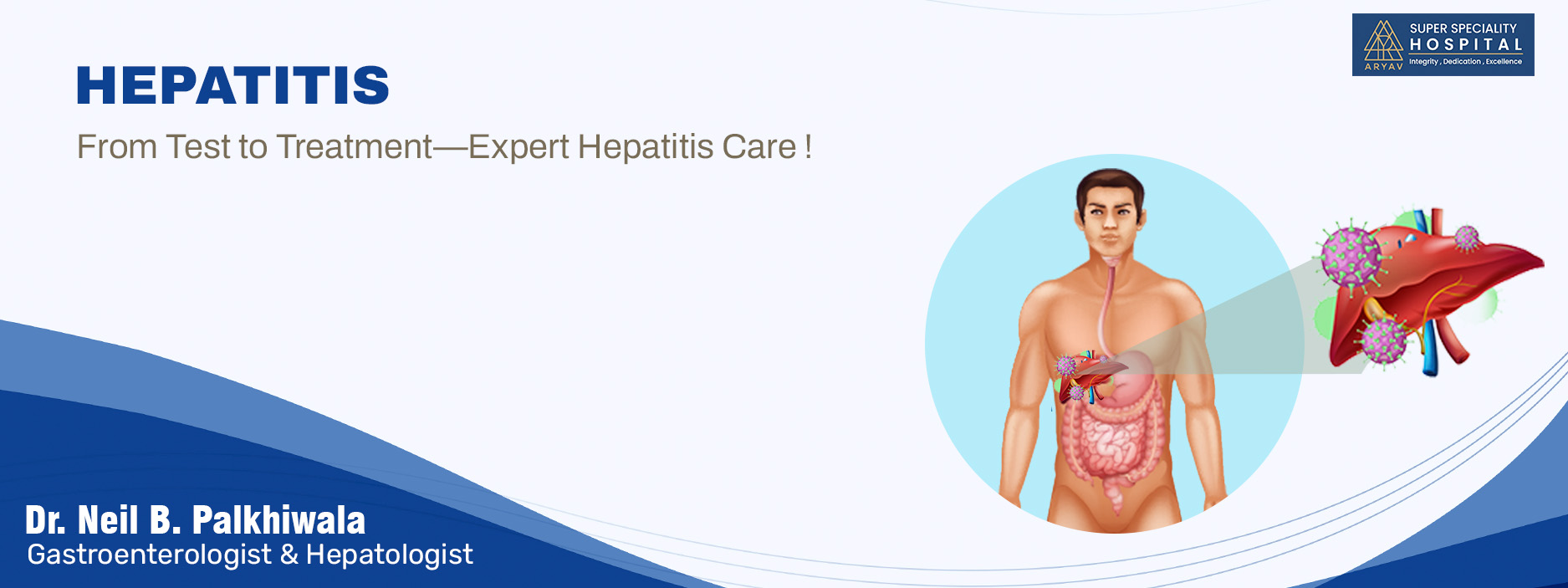
What is Hepatitis?
Hepatitis is inflammation of the liver, commonly caused by viral infections but also due to toxins, alcohol, medications, or autoimmune diseases. It can be acute (short-term) or chronic (long-lasting), potentially leading to liver damage, cirrhosis, or liver cancer if untreated.
Types of Hepatitis:
- Hepatitis A: Usually spreads through contaminated food or water; often resolves on its own.
- Hepatitis B: Transmitted via blood, sexual contact; can become chronic.
- Hepatitis C: Primarily spreads through blood; often leads to chronic infection.
- Hepatitis D: Occurs only with hepatitis B infection and worsens liver disease.
- Hepatitis E: Spread through contaminated water; usually causes acute illness.
- Alcoholic Hepatitis: Caused by excessive alcohol consumption.
- Autoimmune Hepatitis: The immune system attacks liver cells.
- NAFLD: Fat accumulation in the liver leading to inflammation.
Symptoms of Hepatitis:
- Fatigue
- Jaundice (yellowing of skin and eyes)
- Nausea and vomiting
- Abdominal pain, loss of appetite
- Dark urine and pale stools
Diagnosis of Hepatitis:
- Blood tests to detect viral infection and liver function.
- Imaging to assess liver health.
- Liver biopsy in some cases to determine damage.
Treatments of Hepatitis:
- Antiviral Medications: Used for viral hepatitis B and C to reduce liver damage.
- Immunosuppressive Therapy: For autoimmune hepatitis to control immune response.
- Vaccination & Prevention: Preventive vaccines available for hepatitis A and B.
- Lifestyle Changes: Avoid alcohol, follow a healthy diet, and maintain hydration.
Dr. Neil Palkhiwala - Hepatitis Treatment Specialist
Hepatitis involves inflammation of the liver that can lead to long-term complications if untreated. Accurate diagnosis and regular follow-up are essential for disease control. Patients with hepatitis commonly consult the best Gastroenterologist in Ahmedabad for comprehensive liver evaluation and care.
Frequently Asked Questions
Hepatitis is an inflammation of the liver tissue most commonly caused by viral infections, including Hepatitis A, B, C, D, and E. Other non viral causes include heavy alcohol consumption, autoimmune disease, fatty liver, and certain toxic medications.
Hepatitis A and E are usually acute, short term infections transmitted through contaminated food or water. Hepatitis B and C are bloodborne viral infections that can become chronic, leading to long term liver damage, fibrosis, cirrhosis, and liver cancer if untreated.
Common symptoms include fatigue, jaundice (yellowing of the skin and eyes), dark urine, pale stools, loss of appetite, nausea, vomiting, low grade fever, and right upper quadrant abdominal pain. Chronic hepatitis may remain asymptomatic for years until advanced liver disease develops.
Diagnosis involves blood tests to check liver enzyme levels (ALT, AST, Bilirubin), viral serology markers (HBsAg, Anti HCV), viral load quantification (HBV DNA, HCV RNA PCR), abdominal ultrasound, and non invasive liver stiffness measurement using FibroScan.
Yes, modern direct acting antiviral (DAA) medications can cure over 95 to 98 percent of Hepatitis C cases. Treatment involves a simple 8 to 12 week course of daily oral tablets with minimal side effects and high effectiveness.
Chronic Hepatitis B is managed with potent oral antiviral medications that suppress viral replication, reduce liver inflammation, and prevent progression to liver cirrhosis or liver cancer. Long term regular monitoring of liver function and viral load is essential.
Highly effective vaccines are available for Hepatitis A and Hepatitis B. Routine Hepatitis B vaccination is recommended for all newborns, healthcare personnel, and individuals at higher risk of exposure. Currently, there is no vaccine for Hepatitis C.
You should consult Dr. Neil Palkhiwala immediately if you test positive for Hepatitis B or C serology, have unexplained elevated liver enzymes, exhibit signs of jaundice, or have a family history of liver disease for comprehensive diagnostic evaluation and advanced treatment.