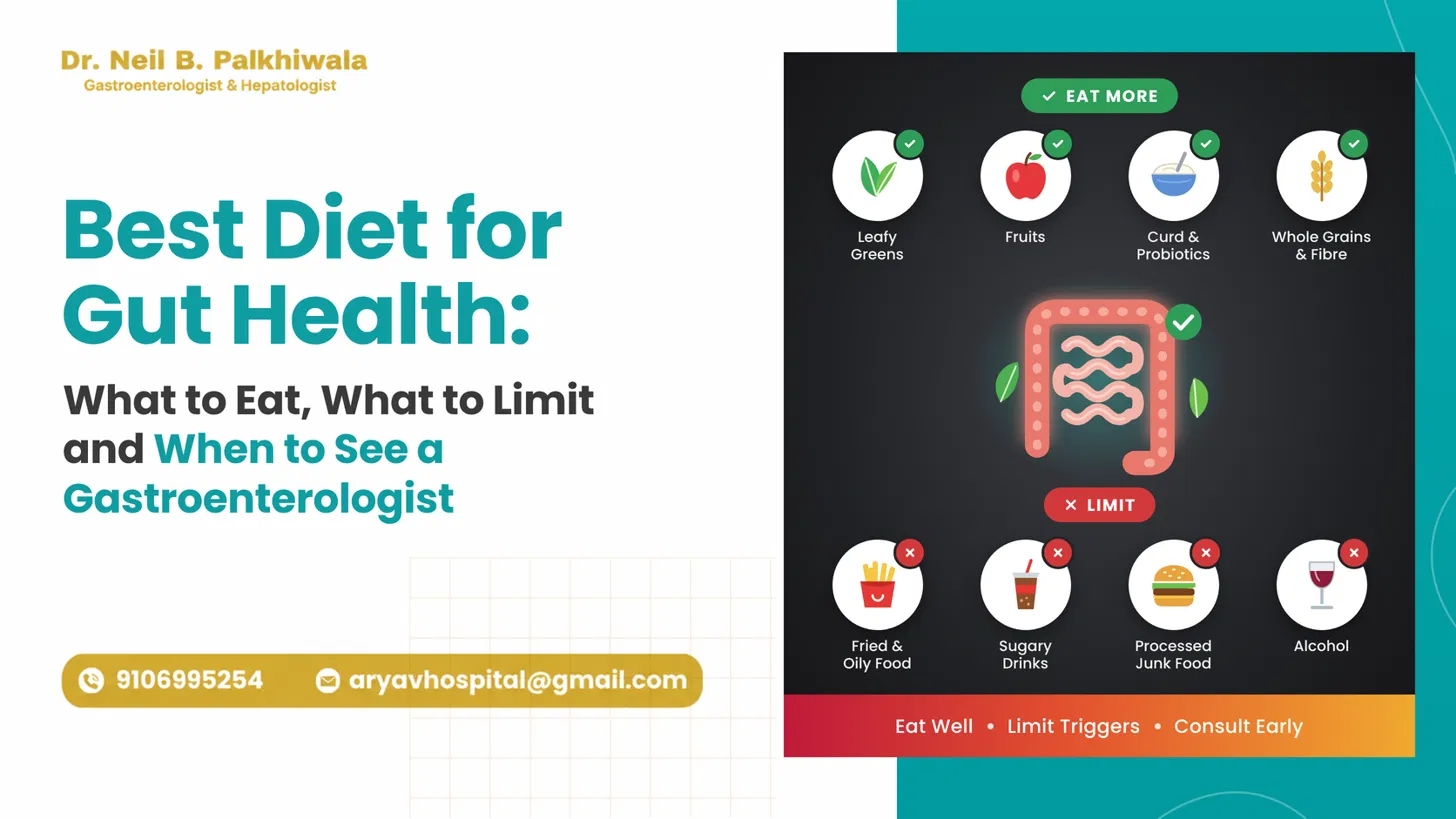
Best Diet for Gut Health: What to Eat, What to Limit and When to See a Gastroenterologist
Bloating after lunch. Acidity that shows up every evening. Constipation that comes and goes. Most of us treat these as small annoyances and reach for an antacid or a quick home remedy.
Your gut does far more than just digest food, though. It absorbs vital nutrients, supports immunity, and is home to trillions of microbes that influence how you feel every single day. What you eat shapes that whole internal ecosystem.
The good news is that the best diet for gut health is not a fancy, expensive plan. It is mostly the simple, balanced food many of us grew up with, eaten regularly and in the right amounts.
This comprehensive guide covers what to eat, what to cut back on, a sample daily meal routine, and the warning signs that mean it is time to stop self-treating and consult a trusted gastroenterologist in Ahmedabad.
Why Gut Health Matters More Than You Think?
Your digestive tract runs from the mouth to the rectum. It includes the food pipe (esophagus), stomach, small and large intestine, plus the liver, gallbladder, and pancreas, which produce essential digestive enzymes and bile.
Inside the intestine lives the gut microbiome: a complex, thriving community of bacteria and other beneficial microbes. When this community is diverse and balanced, it helps:
- Break down dietary fibre: Produces short-chain fatty acids (SCFAs) that nourish and protect the lining of the colon.
- Support regular bowel movements: Maintains consistent stool transit time and prevents chronic constipation.
- Train and regulate the immune system: Over 70% of the body's immune cells reside along the gut wall.
- Keep harmful pathogens in check: Prevents overgrowth of opportunistic bad bacteria, fungal spores, and toxins.
Diet is one of the strongest everyday influences on the microbiome. What you put on your plate directly dictates which bacteria flourish.
What to Eat for Better Gut Health
1. High-Fibre Foods
Fibre is the irreplaceable foundation of a gut-friendly diet. It adds bulk to stool, eases constipation, and acts as fuel for beneficial gut bacteria.
Excellent everyday sources include:
- Whole grains: Whole wheat, brown rice, oats, and traditional Indian millets such as jowar, bajra, and ragi.
- Pulses and legumes: Dal, rajma, chana, moong, and lobia.
- Vegetables: Leafy greens (palak, methi), bhindi, lauki, carrots, beans, and cabbage.
- Fruits: Guava, papaya, apple, pear, orange, and banana.
- Nuts and seeds: Almonds, walnuts, flaxseed, and chia seeds.
Clinical Nutrition Note:
The Dietary Guidelines for Indians (2024) from ICMR-NIN recommend a diverse diet built on whole grains, pulses, vegetables, and fresh fruits, while strictly limiting ultra-processed foods.
Pro-Tip: Increase your fibre intake gradually over 2 to 3 weeks and drink plenty of water. A sudden, massive jump in fibre can cause temporary gas and bloating.
2. Prebiotic Foods
Prebiotics are specialized plant fibres that human digestive enzymes cannot break down, but your good gut bacteria eagerly ferment. Everyday prebiotic foods include:
- Onion and garlic (rich in inulin)
- Slightly raw/green bananas (resistant starch)
- Oats and barley (beta-glucan)
- Legumes and lentils
- Apples (pectin)
3. Probiotic and Fermented Foods
Fermented foods contain live beneficial microbes that help replenish and diversify the gut flora. Traditional Indian options are easy and delicious to include:
- Dahi (fresh curd) and Chaas (buttermilk): Natural sources of lactobacillus that soothe the stomach lining.
- Idli, Dosa, and Dhokla: Made from naturally fermented batter, making nutrients easier to digest and absorb.
- Homemade brine pickles: Naturally fermented in salt water (Note: commercial oil-and-salt pickles are not probiotic and are excessively high in sodium).
- Kanji: A traditional probiotic fermented drink prepared with carrots or beetroot and mustard seeds.
- Yoghurt with live active cultures and Kefir.
Simple Daily Habit: A small bowl of fresh homemade dahi or a glass of spiced chaas (with roasted jeera) alongside lunch is one of the easiest, most effective gut-health habits you can build.
4. Lean Proteins
Protein provides the essential amino acids required for cellular repair and maintenance of the gut mucosal lining. Choose easily digestible options:
- Yellow moong dal, paneer, tofu, and fresh boiled sprouts.
- Eggs (boiled or poached).
- Fresh fish and skinless poultry (for non-vegetarians), prepared with light steaming or grilling rather than heavy frying.
5. Healthy Fats in Moderation
Small amounts of healthy fats facilitate the absorption of fat-soluble vitamins (A, D, E, and K) and keep meals satisfying:
- A handful of soaked almonds and walnuts.
- Cold-pressed mustard oil, groundnut oil, or extra virgin olive oil in measured quantities.
- A small spoonful of pure cow's ghee is beneficial for most individuals. However, use it sparingly if you have been diagnosed with fatty liver disease or high cholesterol.
6. Water and Hydrating Fluids
Fibre cannot do its job without adequate hydration. Water, light buttermilk, fresh lemon water (without excessive sugar), and clear vegetable or lentil soups all keep intestinal motility smooth and prevent hard, painful stools.
What to Limit for a Healthier Gut?
You do not need to give up every treat permanently, but certain foods, when consumed frequently, disrupt the gut barrier, encourage harmful microbes, and aggravate digestive disorders:
- Highly Processed and Packaged Foods: Chips, instant noodles, extruded snacks, bakery biscuits, and processed meats are devoid of fibre and packed with preservatives, emulsifiers, and excess salt that disrupt the microbiome.
- Added Sugar and Sugary Drinks: Carbonated soft drinks, sweetened packaged juices, pastries, and mithai flood the intestine with simple sugars. High sugar intake promotes low-grade systemic inflammation and is strongly linked to weight gain and fatty liver conditions.
- Deep-Fried and Very Oily Foods: Pakoras, samosas, puris, and fried street foods delay gastric emptying, triggering painful acid regurgitation, chest burning, and abdominal heaviness.
- Excess Spicy Foods: Mild digestive spices like jeera, ajwain, haldi, and saunf aid digestion. However, heavy red chilli powders and oily restaurant gravies irritate the delicate gastric mucosa, worsening gastritis and peptic ulcers.
- Alcohol: Alcohol directly strips the stomach's protective mucus layer, worsens acid reflux, and stands as a major driver of chronic liver damage and cirrhosis. Individuals with known liver conditions must avoid it entirely.
- Too Much Tea and Coffee: Drinking multiple cups of strong masala chai or coffee throughout the day, especially on an empty stomach in the morning, stimulates excessive gastric acid secretion.
- Late, Heavy Dinners: Eating a large dinner right before bed forces your stomach to digest while horizontal, triggering nocturnal acid reflux. Complete dinner 2 to 3 hours before sleeping.
Gut-Friendly Eating Habits
What you eat matters immensely, but how you eat plays an equally vital role in digestive efficiency:
- Eat at predictable, regular times: Long fasting gaps followed by massive binge meals shock the stomach and gallbladder.
- Chew slowly and mindfully: Mechanical digestion begins in the mouth with salivary amylase. Rushing your food forces the stomach to work twice as hard.
- Watch your portion sizes: Stop eating when you feel 80% full. Overeating stretches the stomach and causes immediate bloating and belching.
- Take a 10-15 minute walk after meals: Gentle post-meal ambulation significantly speeds up gastric emptying and prevents blood sugar spikes.
- Prioritize restful sleep and manage stress: The gut and brain communicate continuously through the gut-brain axis (vagus nerve). Chronic emotional stress frequently manifests as Irritable Bowel Syndrome (IBS), bloating, or stomach cramping.
- Avoid overusing painkiller medications: Frequent, unmonitored use of NSAID painkillers (such as ibuprofen, diclofenac, or mefenamic acid) erodes the stomach lining and causes bleeding gastric ulcers. Take them only when clinically prescribed.
A Simple Gut-Friendly Day of Eating
Here is a practical, nutritious example of how a balanced Indian day of gut-healthy eating looks. Feel free to adjust based on your personal health conditions, preferences, and clinical guidance:
| Meal Time | Gut-Friendly Indian Meal Options |
|---|---|
| Early Morning | A glass of warm water; 4–5 soaked almonds and 1–2 walnut halves. |
| Breakfast | Vegetable poha with peas, warm oats with chia seeds, moong dal chilla with mint chutney, or 2 steamed idlis with vegetable sambar. |
| Mid-Morning | One whole seasonal fruit: fresh guava, ripe papaya slices, an apple, or a pear. |
| Lunch | 1–2 jowar/bajra or whole wheat rotis, a bowl of yellow dal or chana, a seasonal green sabzi (lauki/methi/bhindi), raw cucumber salad, and a fresh bowl of dahi (curd). |
| Evening Snack | A glass of spiced buttermilk (chaas with roasted jeera), a small bowl of roasted chana, or steamed sprouts chaat. |
| Dinner (Early) | Light moong dal khichdi cooked with carrots and bottle gourd, or 1 soft phulka with a light vegetable soup and dal. |
Diet Tips for Common Digestive Problems
1. Acidity and Acid Reflux (GERD)
- Switch to smaller, more frequent meals rather than 2 heavy meals a day.
- Avoid lying down or reclining for at least 2 to 3 hours post meal.
- Strictly reduce deep-fried savouries, very spicy curries, citrus fruits on an empty stomach, carbonated sodas, and excessive tea/coffee.
- Elevate the head of your bed by 6 inches if nighttime burning wakes you up.
- Learn more: Comprehensive GERD Treatment in Ahmedabad →
2. Chronic Constipation
- Gradually increase high-fibre foods like papaya, guava, prunes, and leafy greens.
- Drink at least 2.5 to 3 litres of water distributed evenly throughout the day.
- Engage in 30 minutes of physical activity daily to stimulate bowel contractions.
- Never suppress or delay the natural urge to evacuate bowel movements.
3. Abdominal Bloating and Excessive Gas
- Eat slowly and avoid drinking liquids through straws to prevent swallowing excess air (aerophagia).
- Maintain a food diary to identify personal intolerance triggers (such as rajma, chana, raw cabbage, milk, or onions).
- Completely avoid carbonated soft drinks and chewing gum.
4. Irritable Bowel Syndrome (IBS)
- IBS triggers differ widely among individuals. Some patients find substantial relief following a clinically monitored Low-FODMAP diet, which temporarily restricts specific fermentable oligosaccharides, disaccharides, monosaccharides, and polyols.
- Important: Restrictive diets should only be undertaken under medical guidance to avoid nutritional deficiencies. Explore: Specialized IBS Management in Ahmedabad →
5. Fatty Liver Disease (MASLD)
- Eliminate refined sugar, sweetened beverages, white maida products, and alcohol.
- Emphasize whole grains, green leafy vegetables, and lean proteins.
- Achieving a gradual 7% to 10% reduction in body weight through diet and exercise is the single most effective intervention to reverse early fatty liver. Explore: Fatty Liver Treatment in Ahmedabad →
When to See a Gastroenterologist
Dietary changes can accomplish remarkable health improvements, but diet alone cannot cure every gastrointestinal issue. Some symptoms indicate structural, inflammatory, or mucosal diseases that demand immediate, expert medical evaluation rather than home remedies.
Red Flag Warning Signs – Consult a Specialist Promptly:
- Blood in the stool (bright red streaks or dark, black tarry stools / melena).
- Vomiting blood or material resembling dark coffee grounds.
- Unexplained, rapid weight loss without dietary changes.
- Difficulty or pain while swallowing food or liquids (dysphagia).
- Persistent heartburn or acidity that fails to resolve with over-the-counter antacids.
- Lasting change in bowel habits (new-onset constipation, chronic diarrhoea lasting over 3 weeks).
- Severe or recurring abdominal pain that wakes you up from sleep.
- Yellowing of the eyes or skin (jaundice), or visible abdominal swelling (ascites).
- Unexplained anaemia with chronic fatigue.
- Family history of gastrointestinal cancers, polyps, or inflammatory bowel disease (Crohn's or Ulcerative Colitis).
A gastroenterologist may recommend accurate diagnostic investigations such as routine blood tests, high-resolution ultrasound, painless diagnostic Upper GI Endoscopy, screening Colonoscopy, or an advanced non-invasive FibroScan liver test. These clinical tools identify the root cause of symptoms instead of merely masking them.

Consult Dr. Neil Palkhiwala
MD, DM, MRCP SCE (UK) | Senior Consultant Gastroenterologist & Hepatologist
With over 15+ years of clinical excellence and 15,000+ treated patients across Gujarat, Dr. Neil focuses on identifying the root cause of digestive disorders, crafting individualized treatment plans combining medical therapy with tailored nutritional guidance at Aryav Super Speciality Hospital, Science City Road, Sola, Ahmedabad.
Book Appointment +91 91069 95254Frequently Asked Questions
The Bottom Line
The best diet for gut health is not about extreme restrictions, fad detoxes, or expensive imported superfoods. It is about prioritizing whole, fibre-rich, and traditionally fermented foods, drastically limiting ultra-processed and greasy street foods, and cultivating regular, unhurried eating routines.
Pay attention to what your body is telling you. If digestive symptoms persist, keep returning, or are accompanied by any warning signs, don't keep guessing. A timely consultation with a qualified gastroenterologist brings clarity, root-cause treatment, and lasting peace of mind.
Have Ongoing Digestive Concerns?
Get personalized care, accurate diagnostic evaluation, and a tailored nutrition plan from Dr. Neil Palkhiwala at Aryav Super Speciality Hospital, Ahmedabad.
Book An Appointment Call +91 91069 95254