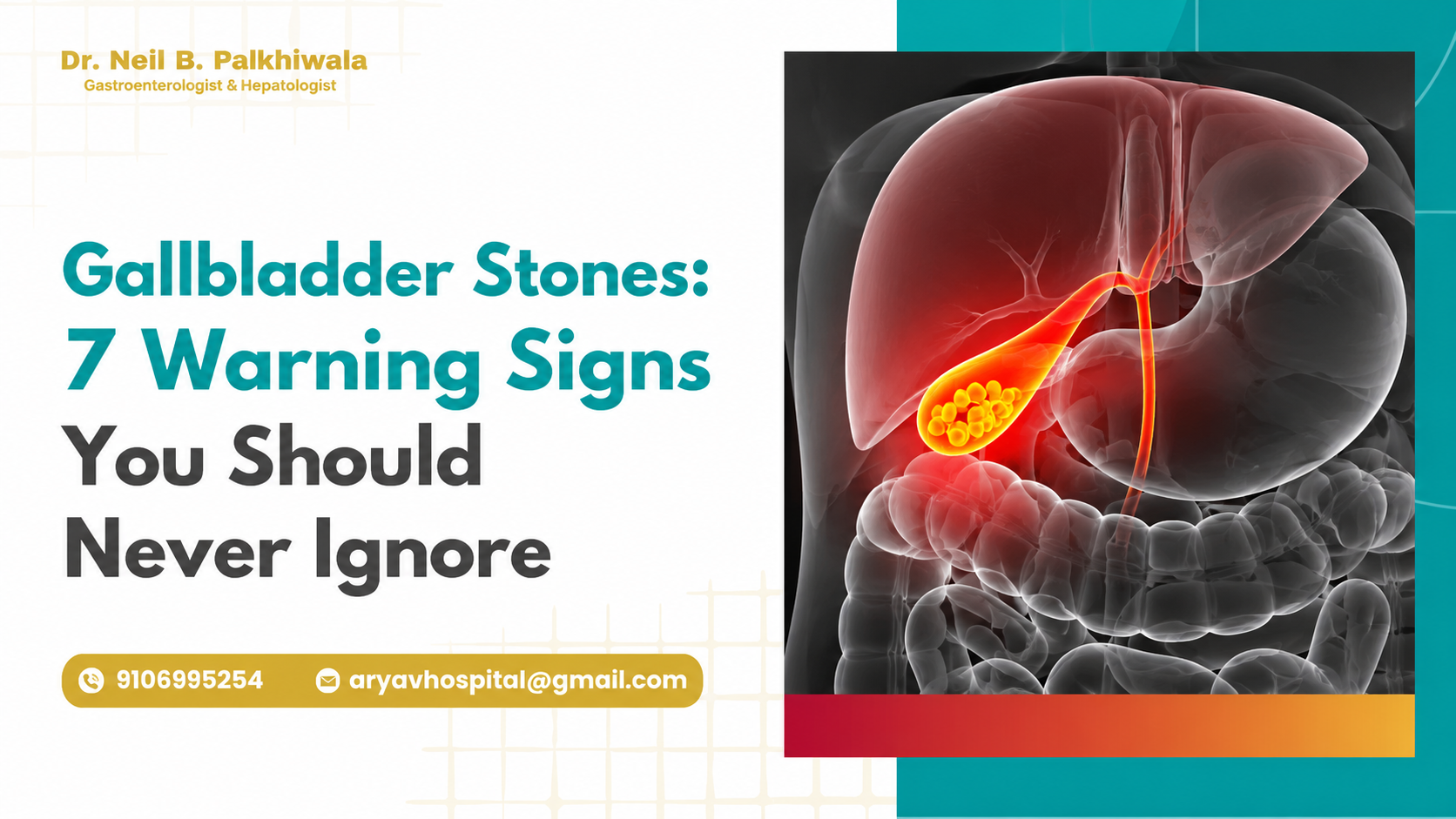
Gallbladder stones, also known as gallstones, are one of the most common digestive disorders affecting millions of people worldwide. While some people may have gallstones without experiencing any symptoms, others can develop severe pain and life-threatening complications if the condition is left untreated. Recognizing the early warning signs and seeking timely medical care can help prevent serious health issues.
If you are looking for Gallbladder Stones Treatment in Ahmedabad, understanding the symptoms and treatment options is the first step toward protecting your health.
What Are Gallbladder Stones?
The gallbladder is a small, pear-shaped organ located beneath the liver. It stores bile, a digestive fluid produced by the liver that helps break down fats. Gallstones are hardened deposits that form inside the gallbladder due to an imbalance in the substances that make up bile, such as cholesterol and bilirubin.
Gallstones can range in size from tiny grains of sand to large stones and may block the bile ducts, leading to pain, inflammation, and infection.
Common types of gallstones include:
- Cholesterol Gallstones: The most common form, composed mainly of undissolved cholesterol.
- Pigment Gallstones: Dark brown or black stones formed when bile contains too much bilirubin.
- Mixed Gallstones: Combination of cholesterol, bilirubin, and calcium salts.
Early diagnosis and treatment can help prevent complications and maintain healthy digestion.
7 Warning Signs You Should Never Ignore
Many people do not realize they have gallstones until symptoms become severe. Here are the seven warning signs that should never be ignored:
1. Severe Pain in the Upper Right Abdomen
The most common symptom is sudden, intense pain in the upper right side of the abdomen. This pain may last from several minutes to several hours and often occurs after eating a heavy or fatty meal.
2. Pain That Spreads to the Back or Right Shoulder
Gallstone pain may radiate to the back, between the shoulder blades, or to the right shoulder. This is often referred to as biliary colic.
3. Nausea and Vomiting
Persistent nausea or vomiting, especially after meals, may indicate that a gallstone is blocking the normal flow of bile through the biliary tract.
4. Indigestion and Bloating
Frequent bloating, excessive gas, acid reflux, or discomfort after eating fatty foods can be early signs of gallbladder disease.
5. Fever and Chills
If gallstones cause infection of the gallbladder (Cholecystitis), patients may develop fever, chills, and severe abdominal tenderness. This requires immediate medical attention.
6. Yellowing of the Skin and Eyes (Jaundice)
A gallstone blocking the bile duct can prevent bile from draining properly, causing Jaundice, dark urine, and pale stools.
7. Persistent Digestive Problems
Repeated episodes of stomach discomfort, fullness after meals, unexplained abdominal pain, or difficulty digesting fatty foods should never be ignored.
What Causes Gallbladder Stones?
Several factors can increase the risk of developing gallstones. Common risk factors include:
- High cholesterol levels in bile
- Obesity and overweight body mass index
- Diabetes mellitus
- Rapid weight loss or crash diets
- Pregnancy and hormonal shifts
- Family history of gallstones
- Age above 40 years
- High-fat, low-fiber dietary habits
- Sedentary lifestyle
Although anyone can develop gallstones, maintaining a healthy lifestyle can significantly reduce the risk.
Who Is More Likely to Develop Gallstones?
Gallstones are statistically more common in:
- Women
- People over 40 years of age
- Individuals who are overweight
- Patients with diabetes
- People with chronic liver disease
- Individuals with a family history of gallstones
- Those consuming a high-fat, low-fiber diet
Knowing your risk factors allows for early screening and preventive care.
How Are Gallbladder Stones Diagnosed?
Modern diagnostic techniques help detect gallstones quickly and accurately.
Diagnostic Tests Include:
- Physical examination: Clinical palpation for abdominal tenderness.
- Abdominal Ultrasound: Non-invasive imaging to detect stones in the gallbladder.
- Blood Tests: Checking liver function, bilirubin levels, and inflammatory markers.
- MRI (MRCP): High-resolution magnetic resonance cholangiopancreatography to visualize bile ducts.
- CT Scan: Imaging when severe complications or pancreatitis are suspected.
- Endoscopic Ultrasound (EUS): Advanced EUS test for detecting micro-stones in bile ducts.
- ERCP: ERCP procedure for confirming and extracting stones lodged in bile ducts.
An experienced gastroenterologist will recommend the most appropriate investigation based on your symptoms.
Treatment Options for Gallbladder Stones
Treatment depends on the size, number, and location of the stones, as well as the severity of symptoms.
Non-Surgical Management
Patients with small, symptom-free gallstones may only require regular monitoring and lifestyle modifications.
Medications
In selected cases, medications may help dissolve certain small cholesterol stones, although this approach is less commonly used due to high recurrence rates.
Laparoscopic Gallbladder Surgery
Laparoscopic cholecystectomy is the gold standard treatment for symptomatic gallstones. It is a minimally invasive procedure associated with:
- Smaller incisions
- Less pain and minimal scarring
- Faster recovery and return to daily activities
- Short hospital stay (often daycare or 24-hour admission)
- Excellent long-term outcomes
Advanced Endoscopic Procedures
If gallstones are lodged in the common bile duct, advanced endoscopic procedures such as ERCP (Endoscopic Retrograde Cholangiopancreatography) are performed to safely remove bile duct stones without open surgery.
When Should You Consult a Gastroenterologist?
Seek immediate medical attention if you experience:
- Severe abdominal pain lasting more than 30 minutes
- Recurrent pain after eating meals
- Fever with abdominal pain
- Vomiting that does not improve
- Yellowing of the eyes or skin
- Dark tea-colored urine or pale stools
Prompt evaluation can prevent serious complications such as gallbladder infection, acute pancreatitis, or bile duct obstruction.
Expert Gallbladder Stones Treatment in Ahmedabad
If you are searching for Gallbladder Stones Treatment in Ahmedabad, choosing an experienced gastroenterologist is essential for accurate diagnosis and effective treatment.
Why Choose Dr. Neil Palkhiwala?
Dr. Neil Palkhiwala is widely recognized as one of the Top Gastroenterologists in Ahmedabad, offering comprehensive care for gallbladder and digestive disorders.
Why Patients Trust Dr. Neil Palkhiwala:
- Extensive experience in gastroenterology and hepatology
- State-of-the-art diagnostic facilities
- Expertise in advanced therapeutic endoscopy and ERCP
- Personalized, patient-focused treatment plans
- Minimally invasive treatment options
- Comprehensive follow-up care
Tips to Prevent Gallbladder Stones
Although not all gallstones can be prevented, healthy lifestyle habits can significantly reduce your risk:
- Eat a Balanced Diet: Include fresh fruits, vegetables, whole grains, and fiber-rich foods while limiting fried and fatty meals.
- Maintain a Healthy Weight: Avoid rapid weight loss or crash diets, aiming for gradual, sustainable weight management.
- Stay Physically Active: Regular exercise improves gut motility and helps maintain healthy cholesterol levels.
- Stay Hydrated: Drinking adequate water supports healthy bile production and digestive function.
- Schedule Regular Check-ups: Routine medical examinations can identify digestive issues early before complications arise.
Final Thoughts
Gallbladder stones are a common yet potentially serious digestive condition. While some people remain symptom-free, others may experience severe pain, infection, or blockage of the bile ducts if treatment is delayed. Knowing the 7 warning signs and seeking timely medical care can prevent complications and ensure faster recovery.
If you are experiencing persistent abdominal pain, indigestion, nausea, or other digestive symptoms, do not ignore them. Early diagnosis and expert treatment can make a significant difference.
For advanced Gallbladder Stones Treatment in Ahmedabad, consult Dr. Neil Palkhiwala, a Top Gastroenterologist in Ahmedabad, for accurate diagnosis, personalized care, and comprehensive treatment to help you regain your digestive health.