
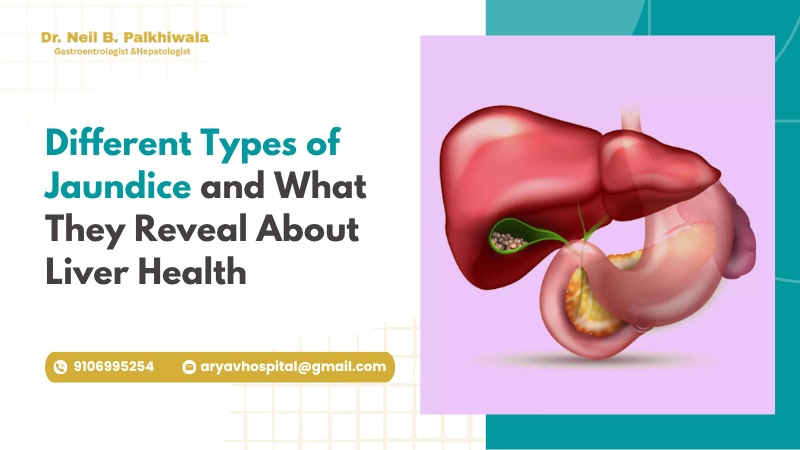
Jaundice is a common medical condition that causes yellowing of the skin, eyes, and mucous membranes. It occurs when there is an excess amount of bilirubin-a yellow pigment produced during the breakdown of red blood cells-in the body. While jaundice itself is not a disease, it is often a sign of underlying liver or bile duct problems.
Understanding the types of jaundice can help identify the root cause and guide the right treatment. For individuals experiencing symptoms, consulting a jaundice treatment specialist in Ahmedabad is important to diagnose the condition early and protect long-term liver health.
What Is the Connection Between Jaundice and Liver Health?
The liver plays a crucial role in processing bilirubin and removing it from the body through bile. When the liver is unable to perform this function properly, bilirubin builds up in the bloodstream, leading to jaundice.
This is why jaundice and liver health are closely linked. Problems in the liver, bile ducts, or blood cells can all lead to jaundice. Understanding the different types of jaundice and symptoms helps doctors determine where the problem originates.
Main Types of Jaundice
Doctors generally classify jaundice into three main categories based on where the problem occurs in the body.
1. Pre-Hepatic Jaundice
Pre-hepatic jaundice occurs before bilirubin reaches the liver. It is usually caused by excessive breakdown of red blood cells, a condition known as hemolysis.
Common Causes
- Hemolytic anemia
- Malaria or other infections
- Genetic blood disorders
- Certain medications
Symptoms
In addition to yellowing of the skin and eyes, patients may experience:
- Fatigue
- Pale skin
- Dark urine
- Rapid heartbeat
Because the liver is not directly damaged in this type, treatment focuses on managing the underlying blood disorder.
2. Hepatic Jaundice
Hepatic jaundice occurs due to problems within the liver itself. When liver cells are damaged, they cannot properly process bilirubin.
This type is often closely associated with jaundice and liver health, as it indicates liver disease or liver dysfunction.
Common Causes
- Viral hepatitis (Hepatitis A, B, or C)
- Fatty liver disease
- Alcohol-related liver damage
- Liver cirrhosis
- Liver cancer
Symptoms
The different types of jaundice and symptoms may include:
- Yellowing of skin and eyes
- Abdominal pain or swelling
- Nausea and vomiting
- Fatigue and weakness
- Loss of appetite
- Dark-colored urine
Early diagnosis is essential, and patients should consult a jaundice treatment specialist in Ahmedabad if these symptoms appear.
3. Post-Hepatic (Obstructive) Jaundice
Post-hepatic jaundice occurs when bile flow is blocked after it leaves the liver. This blockage prevents bilirubin from being eliminated from the body.
Common Causes
- Gallstones
- Bile duct obstruction
- Pancreatic tumors
- Bile duct infections
- Certain cancers
Symptoms
Symptoms often include:
- Yellowing of the skin and eyes
- Pale or clay-colored stools
- Severe itching
- Dark urine
- Abdominal pain
Because this type is caused by a blockage, treatment often focuses on removing the obstruction.
Warning Signs That Require Medical Attention
Although mild jaundice may sometimes resolve on its own, certain symptoms require immediate medical evaluation.
You should consult a jaundice treatment specialist in Ahmedabad if you experience:
- Persistent yellowing of the eyes or skin
- Severe abdominal pain
- Unexplained weight loss
- Continuous nausea or vomiting
- Dark urine or pale stools
Early diagnosis can prevent serious liver complications.
Diagnosis of Jaundice
Doctors use several diagnostic methods to determine the types of jaundice and identify the underlying cause.
Common tests include:
- Blood tests to measure bilirubin levels
- Liver function tests
- Ultrasound or CT scans
- MRI or MRCP imaging
- Endoscopy in certain cases
These tests help specialists evaluate jaundice and liver health and determine the most appropriate treatment plan.
Treatment Options for Jaundice
Treatment depends on the underlying cause of jaundice.
Possible treatments include:
- Medications to treat infections or liver conditions
- Lifestyle changes and dietary adjustments
- Removal of gallstones or bile duct blockage
- Treatment for hepatitis or liver disease
- Advanced medical procedures when required
An experienced jaundice treatment specialist in Ahmedabad can create a personalised treatment plan based on the patient’s condition.
Expert Liver Care in Ahmedabad
For accurate diagnosis and effective treatment, consulting an experienced gastroenterologist is essential. Many patients looking for the Best Gastroenterologist in Ahmedabad trust experts who specialise in liver and digestive disorders.
Dr. Neil Palkhiwala is widely recognised as one of the Best Gastroenterologist in Ahmedabad, known for his expertise in diagnosing and treating complex liver and digestive diseases. With extensive experience in managing conditions related to jaundice and liver health, he provides advanced care and personalised treatment plans for patients.
His patient-focused approach and modern diagnostic methods help identify the different types of jaundice and symptoms early, ensuring effective treatment and better health outcomes.
Conclusion
Jaundice is often an important warning sign that something may be wrong with the liver, blood, or bile ducts. Understanding the types of jaundice helps doctors identify the root cause and provide appropriate treatment.
Recognising the different types of jaundice and symptoms early can prevent serious complications and protect long-term liver health. If you notice signs of jaundice, it is important to consult a qualified jaundice treatment specialist in Ahmedabad.
For expert diagnosis and treatment, patients often rely on specialists like Dr. Neil Palkhiwala, widely regarded as the Best Gastroenterologist in Ahmedabad, for comprehensive care and effective liver disease management.