

Hepatitis

Treat Hepatitis. Restore Health. Live Fully
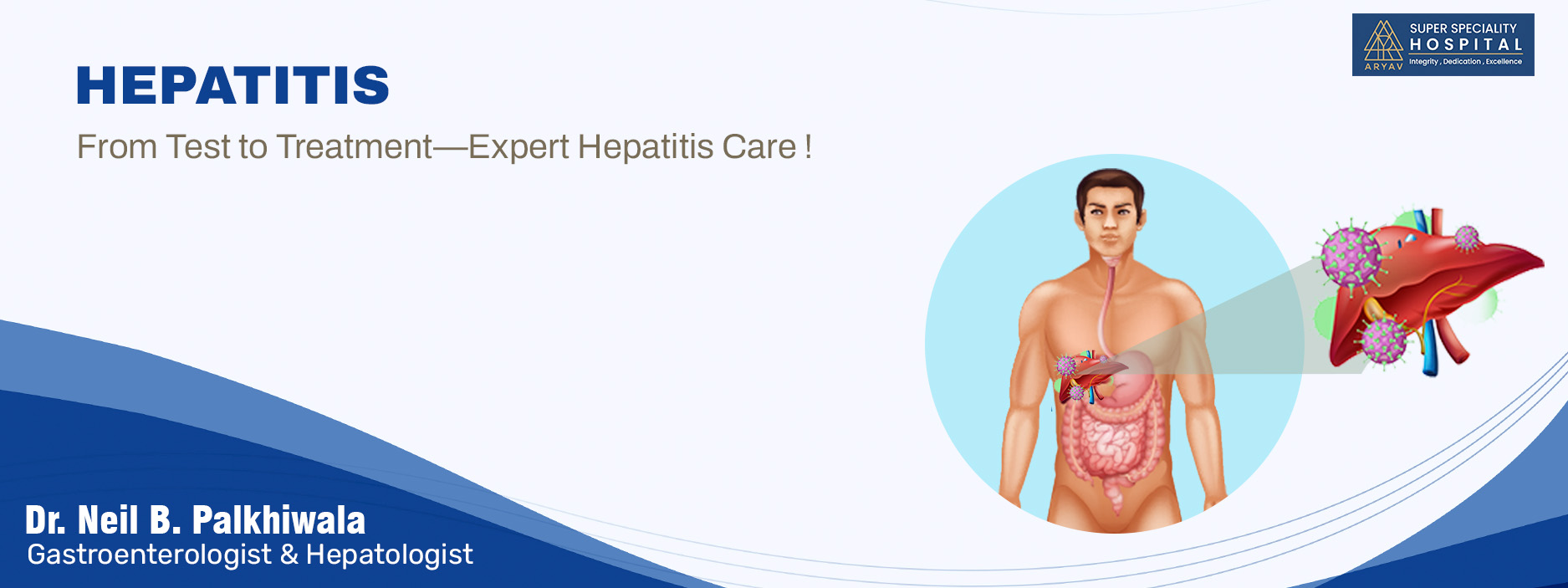
Hepatitis

What is Hepatitis?

Hepatitis is inflammation of the liver, commonly caused by viral infections but also due to toxins, alcohol, medications, or autoimmune diseases. It can be acute (short-term) or chronic (long-lasting), potentially leading to liver damage, cirrhosis, or liver cancer if untreated.

Types of Hepatitis:

Symptoms of Hepatitis:

Causes of Hepatitis:

Diagnosis of Hepatitis:

Treatments of Hepatitis:

Dr.Neil Palkhiwala- Hepatitis Treatment Specialist in Ahmedabad

Hepatitis involves inflammation of the liver that can lead to long-term complications if untreated. Accurate diagnosis and regular follow-up are essential for disease control. Patients with hepatitis commonly consult the best Gastroenterologist in Ahmedabad for comprehensive liver evaluation and care.

Schedule your Hepatitis care with Dr. Neil Palkhiwala- Director and Head Aryav Multispeciality Hospital, Ahmedabad . Call us to book your appointment or ask any questions to +91 91069 95254

Frequently Asked Questions
How do you flush out hepatitis?
There’s no quick way to “flush out” hepatitis, but antiviral medications, a healthy diet, proper hydration, and avoiding alcohol or fatty foods help support liver recovery. Treatment depends on the type of hepatitis and its severity.
Yes, Hepatitis A is usually curable. It’s a short-term viral infection that clears up on its own with rest, fluids, and supportive care. The Hepatitis A vaccine helps prevent future infections.
Common early signs include fatigue, nausea, abdominal pain, loss of appetite, dark urine, pale stools, and yellowing of the skin or eyes (jaundice). These symptoms vary by type and stage of infection.
People at higher risk include those exposed to contaminated food or water, healthcare workers, individuals with unprotected sex, blood transfusions, or shared needles, and those living with chronic liver disease.
Untreated hepatitis can cause chronic liver inflammation, cirrhosis, liver failure, or liver cancer. Early diagnosis and consistent medical care are crucial to prevent long-term liver damage
Symptoms usually appear within 2 to 6 weeks after infection for Hepatitis A, and 1 to 4 months for Hepatitis B or C. Some patients may remain asymptomatic for years while the virus damages the liver silently.
Doctors diagnose hepatitis through blood tests that detect viral antigens, antibodies, or elevated liver enzymes. In some cases, ultrasound or liver biopsy may be recommended to assess liver health.